

Professional chef cooking may sound like an impossible task but many of the best chefs have simple tips to set a high bar on home cooking. The tips given here are centered on technique, quality of ingredients, and flavor addition that can be added by any home cook to impress family and friends.
Master the Art of Drying Meat
Chef Josh Capon stresses the fact that meat should be dried with paper towels prior to cooking. By drying the surface, steak and other cuts develop a beautiful browned crust as they are seared and caramelized. He also recommends purchasing steaks a day or two beforehand and storing it without a cover in his refrigerator to recreate dry-aging, which enhances flavor and texture.
Season Consistently and Confidently
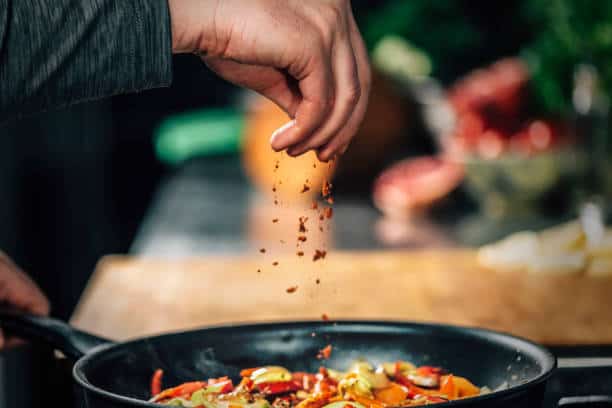
Most chefs believe that it is important to season during the cooking process. Chef Tiana Gee advises that every ingredient within a dish be seasoned as it cooks and not added at the end of the process in order to achieve a balanced flavor. Chef Lucas Billheimer recommends to season without hesitation and to taste frequently to prevent over-salting. With lemon juice or vinegar, or other types of acid, flavors can be brighter and balanced and ordinary dishes turned into amazing.
Embrace Brining and Resting Meat
Proteins soaked in salty water prior to cooking are called brining and are used to achieve the effect of tenderness and juiciness. Josh Capon discloses that chicken that is brined by being soaked in water and salt and dried thoroughly yields excellent texture and flavor. Once cooking is done, resting meat before eating is necessary to even out the juices so that no bite lacks any succulence and flavor.
Simplify Ingredients and Focus on Quality
Chef Eduardo Ruiz points out that classic recipes such as fresh corn tortillas make use of very few good ingredients. Making their own chicken stock rather than purchasing pre-packaged chicken stock, attempting to use the purest ingredients possible such as butter and roasted whole chickens, are features of professional cooking. Chef Lucas Billheimer says, I do not believe in convincing ingredients, so I want to encourage people who cook at home not to fool around.
Introduce New Flavors Gradually
Families with picky eaters can find a helpful tip in Chef Lucas Billheimer, who does not hide anything but simply presents the variety of foods in front of the family. Serving sauces and vegetables as a side dish and preparing familiar proteins such as plain chicken can be slowly accepted. Exposure to different foods at an early age makes flavours feel normal and there is less resistance in young consumers.
Explore Ethnic Markets and Fresh Ingredients
Chef Eduardo Ruiz also recommends visiting the ethnic grocery stores to get new and interesting ingredients, which may then serve as the foundation of a new dish and a richer flavor profile. The products in these markets tend to be less spoilt and aged than those in larger traditional stores, which opens the door to true-to-life cooking experiences at home.
Practical Kitchen Organization
Preparing supplies and utensils in advance, or mise en place, is a professional habit. It helps to eliminate stress and enables a smooth working process, particularly in preparing complicated dishes. Knowledge of heat temperatures, such as searing at medium-high heat versus simmersing at lower temperature, can have a significant impact on the end product in terms of texture and flavor.
Adding these celebrity recipes to the daily meal repertoire will enable the home cook to prepare tasty, well-seasoned, and well presented meals. Minor changes such as drying meat, seasoning in small portions, and resting proteins are big differences. Coupled with an emphasis on the quality of ingredients and kitchen preparedness, these pieces of advice make restaurant-quality food accessible to any home cook in 2025. When used with these expert insights cooking becomes not only more successful, but also joyful and creative.